Motorized Shades for Windows You Can't Reach by Hand
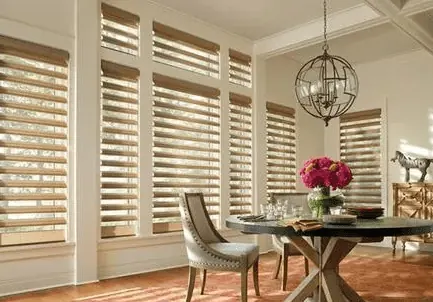
A window that's dramatically taller or wider than average doesn't just need a bigger version of a normal shade, it needs a different set of decisions made from the start.
Why Size Pushes Hardware Past Its Limit
Most of the mistakes on a tall or oversized window trace back to treating it like a bigger version of a standard window instead of a genuinely different installation. Hardware rated for a six-foot drop doesn't automatically scale up safely to ten feet just because it's technically possible to order it in that length.
This shows up months after install more often than on day one. A shade that operates fine when it's new can start sagging or binding at the mechanism a year or two in, once the hardware in an Avon home has spent enough cycles carrying weight it wasn't quite built for.
It's worth asking directly what weight and width rating a specific product line carries before ordering, rather than assuming a manufacturer's published specs apply the same way to every finish and fabric option within that line, since a heavier blackout lining can push a shade closer to its hardware's limit than a lighter fabric would.
Reaching the Control on a Window That Tall
This is the core problem motorization solves. A wand or cord requires a person to physically reach it, and on a window with a drop anywhere from eight to twelve feet, that reach simply doesn't exist without a ladder. A motor removes the reach requirement entirely, since the control point becomes a wall switch or a phone app instead of the shade itself.
Battery-powered motors work well for most residential applications and get recharged or swapped on a schedule rather than needing an electrician, while hardwired motors need power run to the window during construction or a renovation but never need battery attention at all. For an Avon home already under renovation, hardwiring during the work is usually the more convenient long-term choice.
Measuring and Installing on a Window That Big
Access equipment for measuring and installing a two-story or stairwell window adds a line item that a standard window measure never needs, whether that's a ladder rental or scaffolding, and it's worth asking upfront whether that cost is included in a quote or billed separately.
As a national range, factor in that oversized and hard-to-access installations commonly run toward the higher end of typical per-window installed pricing, sometimes with an added access fee on top, precisely because of the extra time and equipment involved. Getting a written breakdown before committing keeps an Avon project from turning into a surprise final invoice.
An Avon homeowner planning a great room renovation is often better off getting the window treatment quote at the same time as the rest of the room's construction quotes, rather than treating it as an afterthought once the walls are already finished, since access planning works better as part of the same conversation.
Deciding between one shade and several usually comes down to seeing the actual window in person. A free in-home measure from Avon Window Treatments can walk through both configurations on your specific window and show what each one would look like raised and lowered.
Where All That Fabric Goes When It Stacks
Splitting a window into multiple shades actually helps the stack problem, since each individual shade is narrower and often shorter than a single shade would have needed to be, meaning less fabric bunching at the top of any one section. A single oversized shade concentrates all that stacked fabric into one wide bundle.
For an Avon great room where sightlines matter, several narrower shades with tighter individual stacks frequently look better raised than one enormous shade with a thick fabric bundle running the full width of the window, even though the fully lowered look is nearly identical either way.
This is one of the more overlooked reasons a split configuration ages better too, since a narrower shade's mechanism carries less weight over its lifetime, which generally means fewer adjustments and less wear on the clutch or motor over the years compared with one very large unit doing the same job.
One Shade or More Than One
A single shade covering a very wide expanse of glass runs into the same weight and deflection problems mentioned above, plus a practical one: fabric comes off the roll in a fixed width, so anything wider than that requires a seam, which shows as a visible line running down the shade. Splitting a wide window into two or three separate shades avoids the seam entirely and keeps each individual unit within a normal weight range.
The tradeoff is a visible gap or mullion line between shades where a single continuous shade would look unbroken. For an Avon window wall with actual vertical mullions already breaking up the glass, splitting the shades to match those existing lines looks intentional rather than like a compromise, which is usually the better call anyway.
Frequently Asked Questions
How tall does a window need to be before I need special hardware?
There's no single cutoff that applies to every product line, since different manufacturers rate their standard hardware differently, but as a general guideline, drops beyond roughly eight feet or widths beyond ten to twelve feet start pushing past what a lot of standard residential mechanisms are built for. Past that range, expect a conversation about reinforced tubes and heavier-duty clutches rather than a standard order.
Can I just order a wider or taller version of a normal shade?
You can usually order the size, since most manufacturers will make product to a wide range of dimensions, but ordering the size doesn't automatically mean the standard hardware handles it well. This is where a lot of disappointing results come from: a shade that technically fits the opening but sags or wears out faster than expected because the hardware wasn't upgraded to match the size.
Is motorization required for a very tall window, or just recommended?
It's not strictly required, since a long wand can technically operate a tall shade, but past a certain height it stops being practical. A wand extending eight or more feet is awkward to control precisely and often ends up dangling somewhere inconvenient. Most people who try manual control on a genuinely tall window end up motorizing it within a year anyway, so it's worth considering upfront.
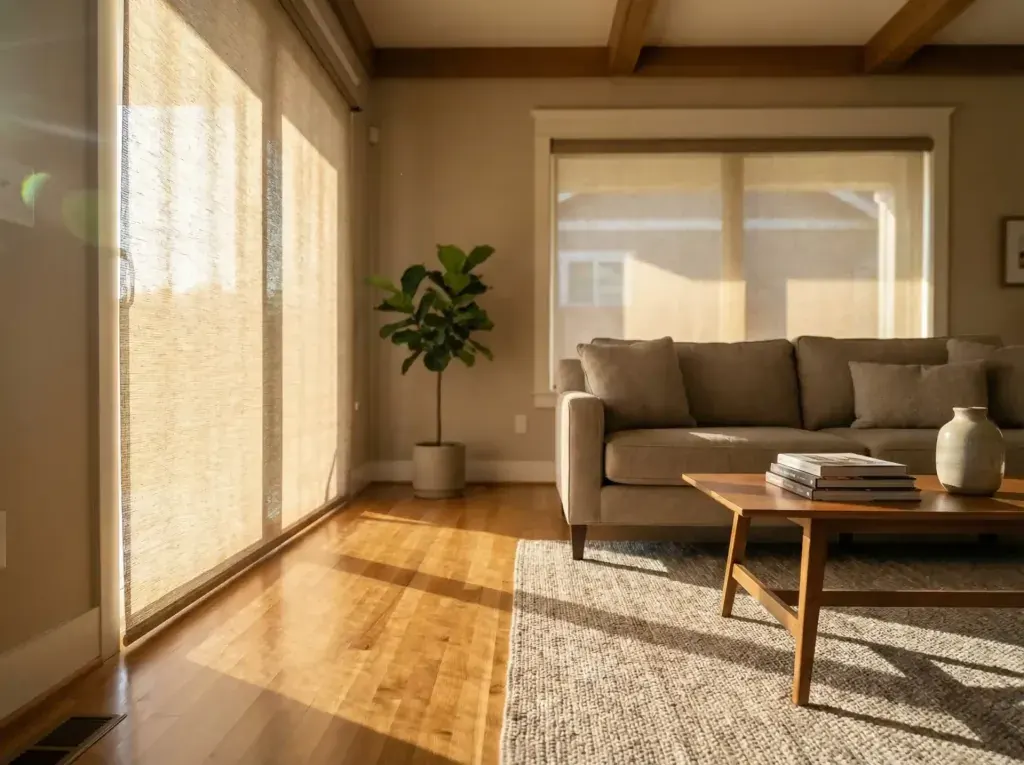 Bay and Bow Window Shades: An Avon Homeowner's Guide
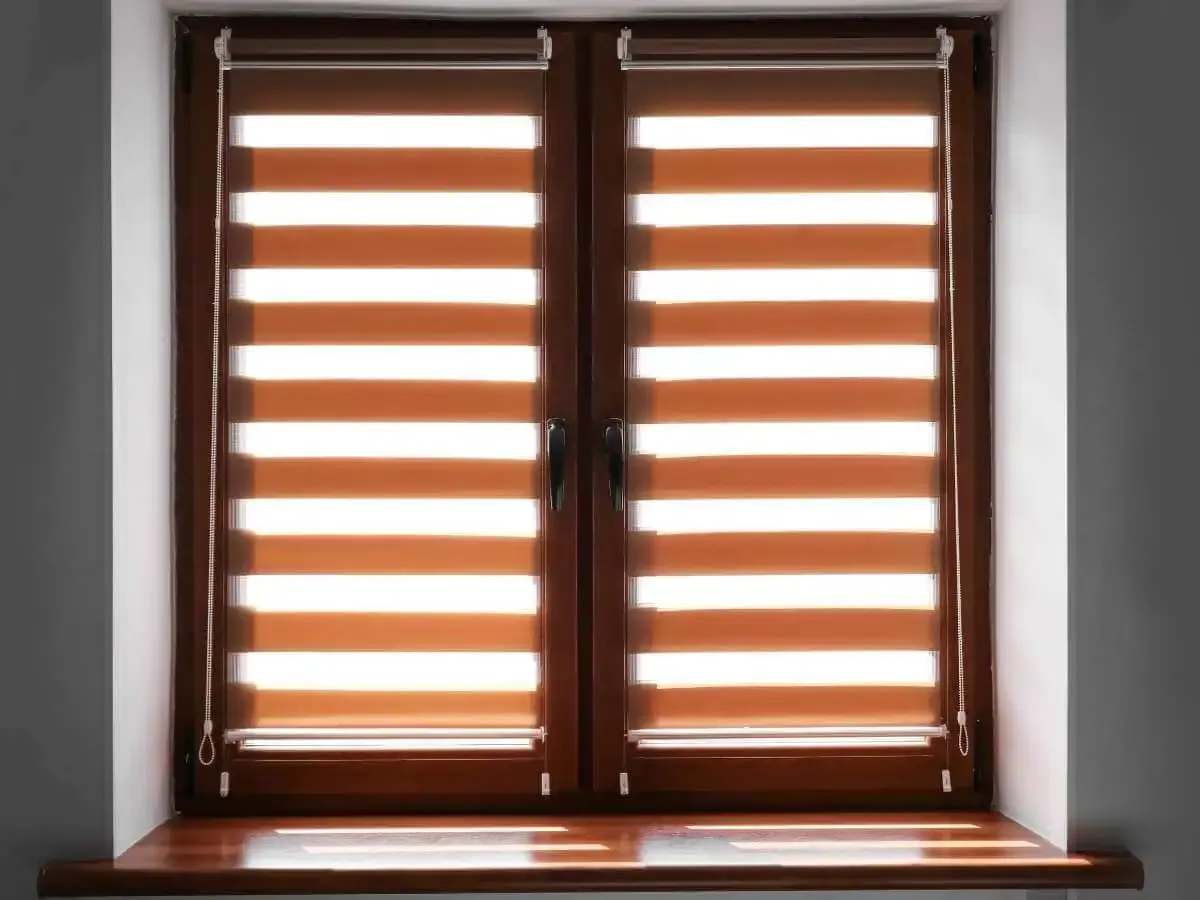 Window Treatments That Actually Hold Up in an Avon Bathroom
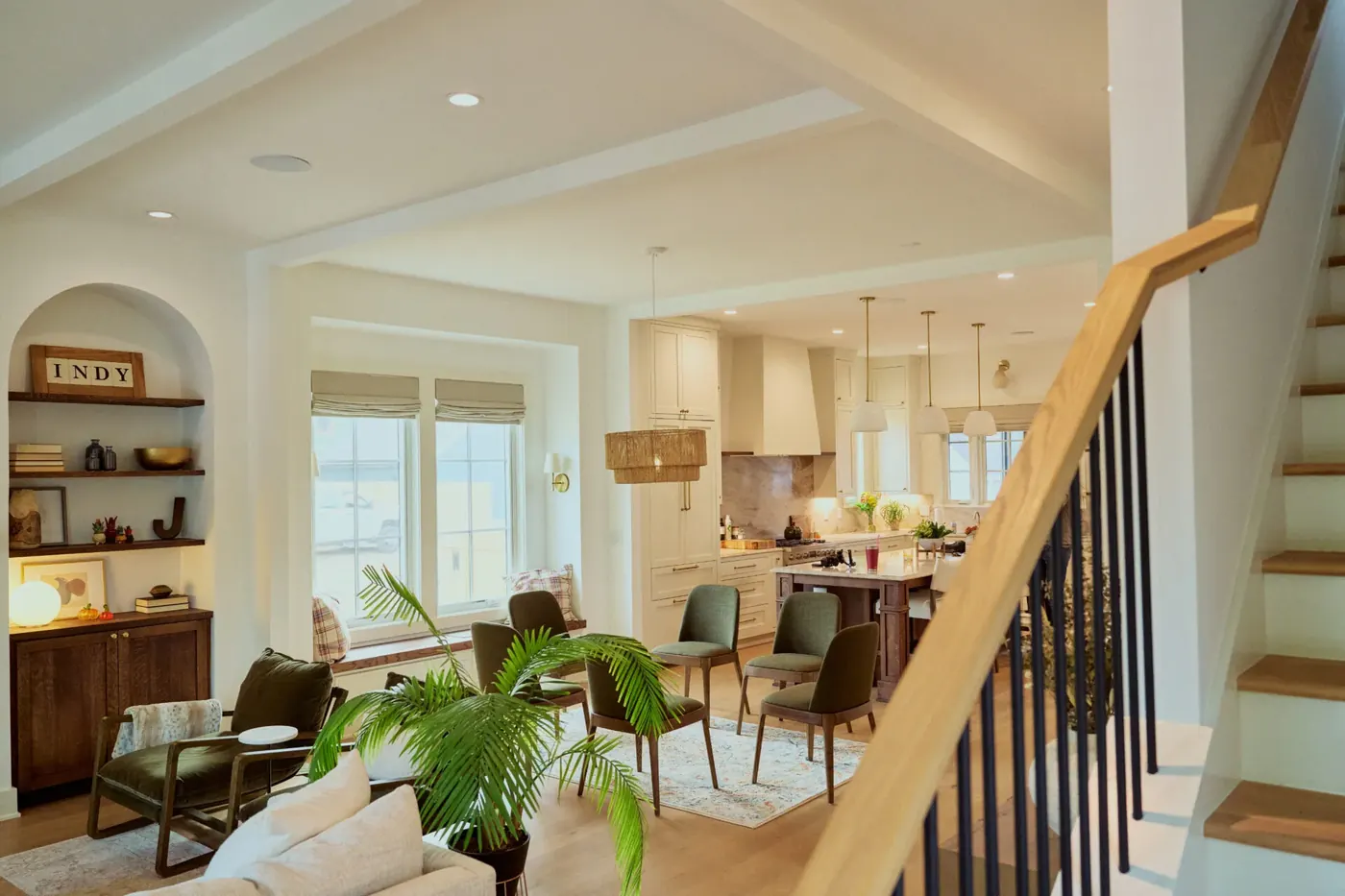 How to Measure Your Own Windows for Blinds or Shades