Window Treatments That Actually Hold Up in an Avon Bathroom
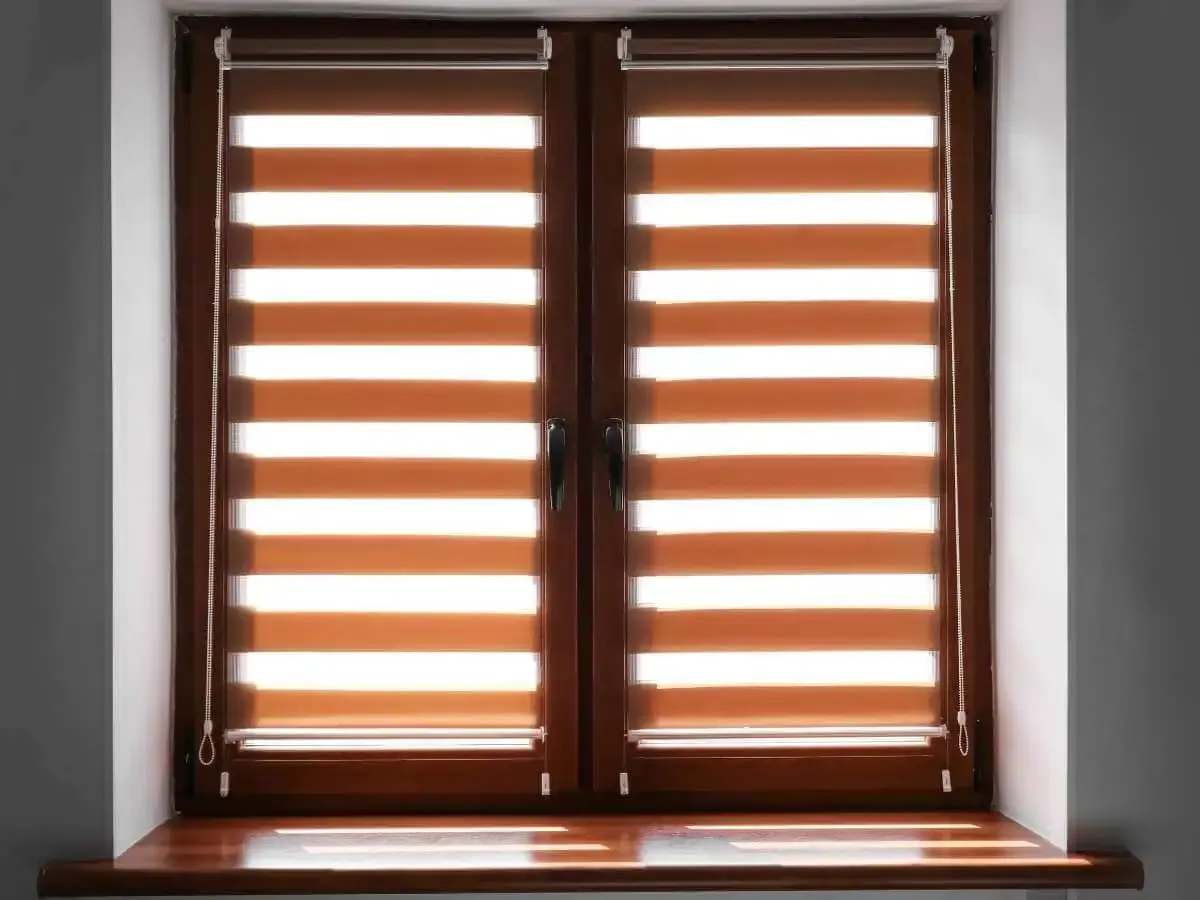
Wood blinds show up in plenty of bathrooms and kitchens because they look good on install day, and that's usually where the story starts to go wrong.
How Humidity Changes What You Should Hang
Wood blinds fail in bathrooms in a pretty predictable sequence. First the finish starts to dull or craze in a fine web of cracks where the wood has expanded and contracted enough times to stress the coating. Next the slats themselves start to cup or bow slightly, which shows up as a blind that won't close flush no matter how you adjust the tilt.
The failure isn't sudden, which is part of why it catches people off guard. A wood blind installed in an Avon bathroom can look fine for the first year or two before the humidity cycling catches up with it, and by the time the warping is obvious, the damage is already done and it's a replacement, not a repair.
None of this is really the homeowner's fault. Wood blinds get chosen because they look good in a showroom, and a showroom doesn't have a shower running nearby to reveal how the material actually behaves. The failure only becomes obvious once the blind's been living in a real bathroom or kitchen for a year or two.
Hardware That Doesn't Rust or Swell
The shade material gets most of the attention, but the hardware holding it up is made from a different material entirely and deserves the same scrutiny. Bare steel brackets and clips will eventually show surface rust in a humid room, while stainless steel or a powder-coated finish resists that corrosion for the life of the installation.
Wood valance boards and mounting boards share the same vulnerability real wood slats have, so it's worth confirming what a valance or cornice is actually made from before it goes over an Avon bathroom or kitchen window, since a nice-looking wood trim piece can warp long before the shade underneath it shows any wear at all.
This same logic applies to the screws holding a bracket in place, not just the bracket itself. A stainless bracket mounted with a standard zinc-coated screw can still develop a rust bleed around the screw head over time, so matching hardware quality across every component is what actually prevents the problem.
Swapping out a warped wood blind doesn't have to mean guessing at a replacement. Avon Window Treatments offers a free in-home measure to look at what's failing and why, then recommend a material that would actually hold up in that spot going forward.
The Trouble With Windows Over a Sink or Tub
A window positioned directly over a tub or a kitchen sink creates a reach problem before it creates a style problem. Standing in a tub to adjust a shade isn't something anyone wants to do regularly, and leaning across a full sink to reach a cord or wand gets old fast. This is where a lot of Avon homeowners end up looking at motorized or at least a very low-maintenance manual option.
The window itself is often a different shape than a standard living room window too, sometimes a slider or an awning-style unit that cranks open, sometimes narrow and tall next to a tub surround. Inside mount depth gets tight on these, since the crank hardware or the window's own frame can eat into the space a headrail needs, so a proper measure matters more here than almost anywhere else in the house.
None of this means every bathroom or kitchen window needs a complicated mount. Plenty of standard windows in these rooms take a normal inside mount without any fuss at all. It's specifically the crank-out or awning-style windows clustered around a tub or sink that call for extra care at the measure, along with anything unusually narrow.
Keeping Grease and Steam From Ruining a Shade
Grease travels further than people expect, settling in a thin film on surfaces well outside the immediate cooking zone, including a shade that seems far enough from the stove to be safe. Over months, that film attracts dust and starts to look dull even with regular cleaning, especially on a woven or textured fabric that has more surface area for it to cling to.
A smooth vinyl or PVC-faced shade wipes down with the same all-purpose cleaner already under the sink, no special products needed. That single difference is usually what pushes a kitchen decision toward a wipeable material over a soft fabric roller, even when the fabric option looked nicer in the showroom.
Range hood strength plays a bigger role here than most people expect. A hood that actually vents outside, rather than recirculating air through a filter, pulls a meaningful amount of grease and steam out of the room before it has much chance to settle anywhere, including on the window treatment.
Getting Privacy Without Losing the Light
A top-down bottom-up cellular or roller shade is the most flexible privacy tool for a bathroom window, letting you drop the top edge to block the sightline at eye level while keeping the bottom open for natural light to come up from below. Most people set it once and rarely touch it again.
Frosted or etched glass film is the other main route, trading flexibility for zero maintenance and an always-on privacy layer. Between the two, a shade suits a window someone actually wants to open up occasionally, while film suits a window that's purely functional and never really needs a clear view out.
For an Avon bathroom with an especially prominent window, like a large one over a soaking tub, the privacy decision often becomes more of a design statement than in a smaller, purely functional bathroom, which is worth factoring in when comparing the cost of a nicer fabric shade against a basic film.
Frequently Asked Questions
Can I put real wood blinds in a bathroom if I have a good exhaust fan?
A strong exhaust fan helps, since it pulls humid air out faster and shortens how long the wood is exposed to it after every shower. It doesn't eliminate the risk entirely though, since even a well-ventilated bathroom still swings through a humidity spike every time the shower runs. Faux wood remains the safer choice for a full bathroom, with real wood better suited to a powder room or half bath that doesn't have a shower or tub in it at all.
What's actually the difference between faux wood and real wood blinds?
Faux wood is a PVC or composite material formed and finished to look like painted wood, while real wood blinds are milled from actual basswood or a similar hardwood. Faux wood is heavier per slat and doesn't absorb moisture, which is why it holds up in bathrooms and kitchens where real wood eventually warps. Real wood is lighter and generally considered to have a warmer, more natural look, which is why it still gets chosen for dry rooms like a living room or dining room.
Is it worth paying more for a wipeable or vinyl-faced shade in the kitchen?
For a window near the stove or sink, yes, generally. The time saved on cleaning and the years added to the shade's life usually outweigh the modest price difference over a comparable fabric shade. For a kitchen window farther from cooking, like one over a breakfast nook away from the range, a standard fabric option is less likely to run into the same grease problem and the upgrade matters less.
 Bay and Bow Window Shades: An Avon Homeowner's Guide
 How to Measure Your Own Windows for Blinds or Shades
 What It Costs to Address Drafty Windows in Avon